This article provides general information to support better planning. Individual medical decisions and fitness for travel require assessment by qualified treating professionals.
Travelling from Iraq to India for medical treatment means coordinating decisions that are usually handled by different organisations. A doctor in Iraq may recommend specialist assessment abroad, an Indian hospital may request records before offering an appointment, and the family must organise a medical visa, transport, accommodation and follow-up care. When the patient is seriously ill, the journey itself may require medical oversight.
India has hospitals offering a broad range of specialist consultations, diagnostics, surgery, cancer care, cardiac services, rehabilitation and other forms of treatment. But not every hospital is suitable for every case, and treatment abroad is not automatically the best clinical option. This guide explains how Iraqi patients and their families can evaluate treatment in India, prepare the required documents and manage practical arrangements without relying on unverified promises.
Why Might a Patient from Iraq Consider Treatment in India?
A family may consider India when a qualified treating doctor recommends a further specialist opinion, when a specific procedure or programme is sought, or when the family wishes to compare potential treatment plans. The right reason to travel is a defined medical need, not a general claim that treatment is better in another country.
Possible services include cardiology and cardiac surgery, oncology, neurology and neurosurgery, orthopaedics, nephrology, gastroenterology and rehabilitation. The presence of these specialties in India does not establish the availability or suitability of a particular procedure at a named hospital. Ask the intended hospital to confirm the relevant specialist team and facilities.
For some conditions, continuing care in Iraq or requesting a remote second opinion before travelling may be more appropriate. The patient's clinical urgency, expected benefit, financial resources and ability to travel should all contribute to the decision.
Step 1: Obtain a Clear Medical Assessment in Iraq
Begin with the patient's treating doctor. Ask what diagnosis is established, what remains uncertain, why treatment abroad is being considered and whether travel is medically safe. For an unstable patient, receiving appropriate urgent care locally should take priority over a planned overseas trip.
Prepare an organised file containing the diagnosis and clinical history, recent consultation notes, current prescriptions, known allergies, laboratory results, radiology images and reports, biopsy or pathology reports if applicable, previous surgery notes, discharge summaries and an explanation of any oxygen, dialysis, mobility or monitoring needs.
The Indian hospital may require reports in English. Ask about translation requirements rather than assuming Arabic-language records will be accepted for initial review. Keep patient names consistent with the passport, and use secure communication channels when sharing medical information.
A written recommendation from the treating doctor in Iraq is also important for the medical visa route described by the Embassy of India in Baghdad.
Related reading: How to Get a Medical Second Opinion in India — /blog/how-to-get-a-medical-second-opinion-in-india
Step 2: Choose an Appropriate Hospital and Specialist
Start with the condition and required clinical capabilities, not an internet ranking or a city name. Different hospitals can vary in specialty focus, consultation availability, admission pathways, diagnostic capacity, rehabilitation support and international patient services.
Contact the hospital through its verified website or patient desk. Submit the records requested and ask whether the relevant department can evaluate the case. Seek the name or department of the intended specialist, the probable next step, the proposed appointment date and whether the patient may need additional testing after arrival.
Questions to ask before choosing a hospital
• Can the hospital assess this particular diagnosis and does it currently offer the relevant treatment?
• Which specialist or multidisciplinary team would review the case?
• Can preliminary records be reviewed before the patient travels?
• Is an outpatient visit or inpatient admission expected initially?
• Which extra investigations might be needed before a final treatment decision?
• What is the estimated treatment duration and recovery period?
• Is Arabic-language interpretation available for clinical consultations and consent?
• Can the hospital issue the required barcoded medical visa invitation letter?
• What treatment and accommodation costs should the family budget for?
Never infer that a hospital chain offers the same treatment at every branch. Confirm the location of the exact campus that will receive the patient.
Related reading: How to Choose a Hospital and Doctor in India — /blog/how-to-choose-a-hospital-and-doctor-in-india
Step 3: Apply for an Indian Medical Visa from Iraq
The Embassy of India in Baghdad states that it issues medical visas to Iraqi nationals seeking treatment at recognised or specialised medical institutions in India. Its official medical visa guidance calls for documents establishing the need for treatment and the receiving institution's acceptance. The Indian Consulate General in Erbil also publishes medical visa requirements.
Do Iraqi citizens qualify for an Indian e-Medical visa?
As reviewed on 13 November 2026, Iraq is not listed among the nationalities eligible for India's general e-Visa facility. Iraqi passport holders should therefore plan around the regular medical visa route through the appropriate Indian Mission and confirm the current nationality list before making an application. An electronic application form for a regular visa is not the same as an e-Visa.
Official Indian visa application portal: https://indianvisaonline.gov.in/visa/
Official e-Visa eligibility information: https://indianvisaonline.gov.in/evisa/
What documents does the Embassy request?
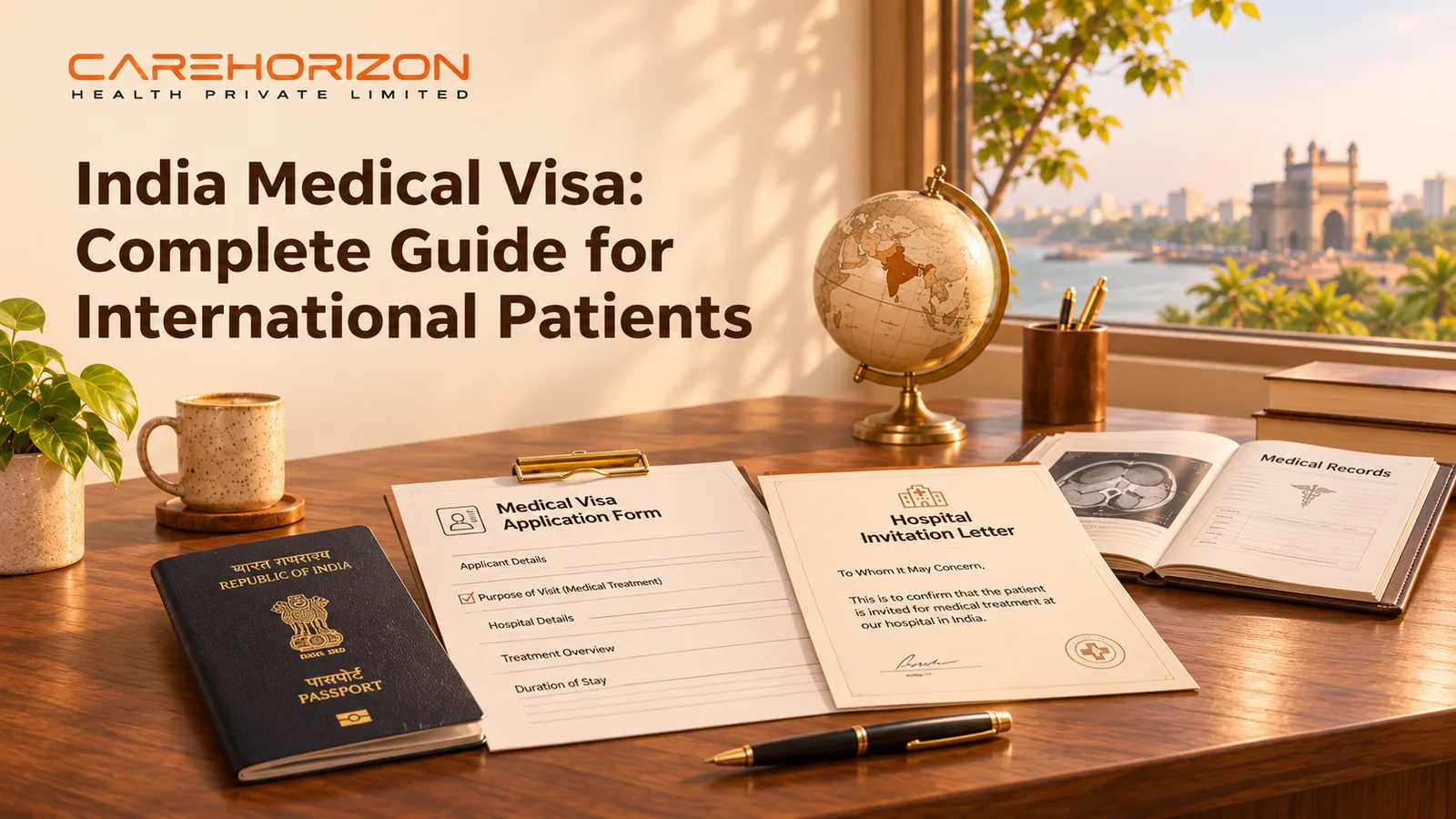
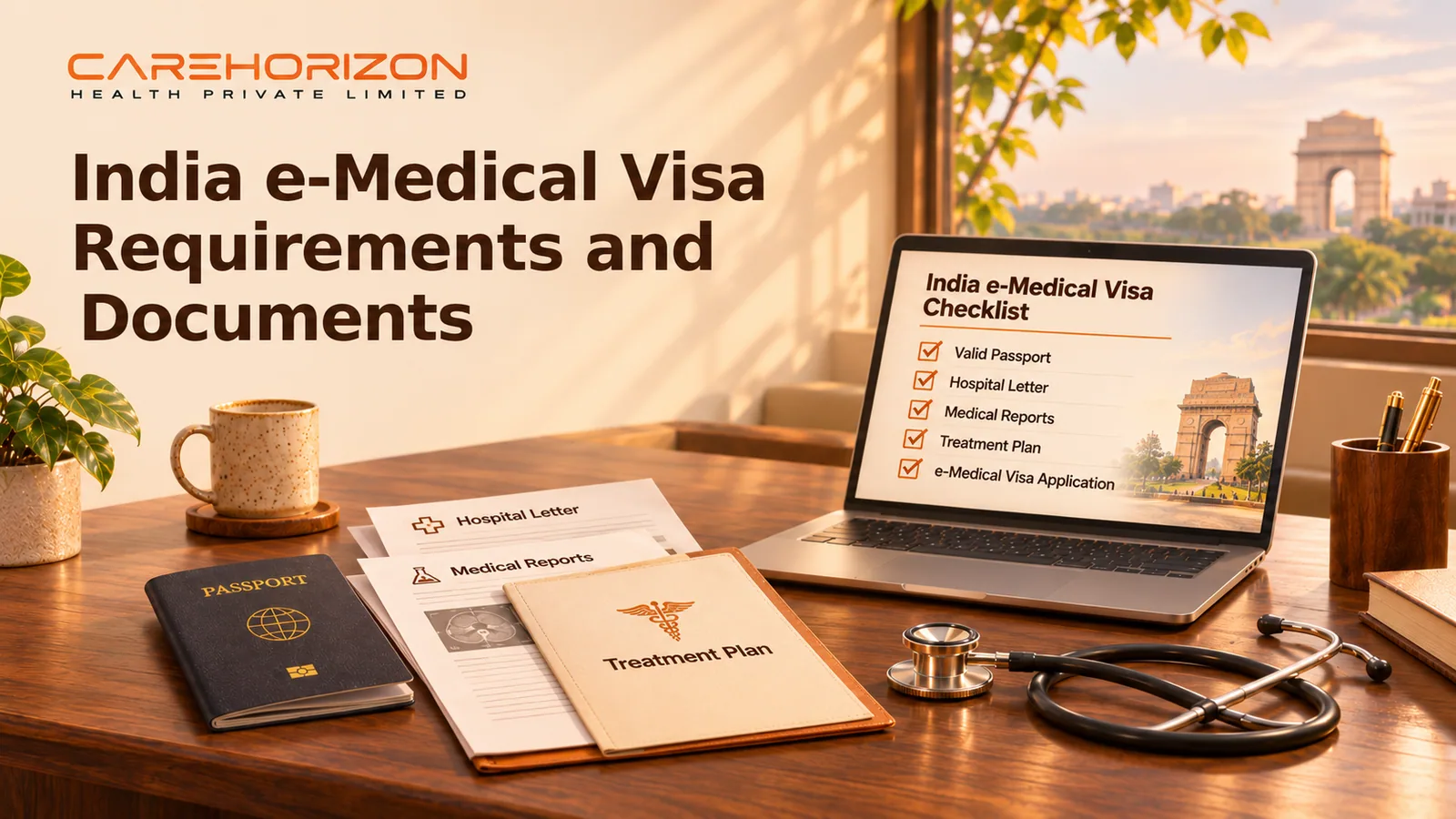
The Embassy of India, Baghdad, specifically lists a medical invitation letter from a recognised Indian hospital with an auto-generated barcode; a recommendation letter from the treating doctor in Iraq; and evidence that the applicant has sufficient funds for treatment and the stay. The invitation should endorse the names and passport numbers of any medical attendants. If no attendant is needed, the Embassy asks for an appropriate certificate stating this.
In addition, applicants should follow the Embassy's current general document and application instructions for the passport, application form, photographs and relevant Iraqi identity documents. Medical visa applications can be refused or delayed if documents are incomplete or inconsistent.
Can a family member accompany the patient?
The Embassy and Consulate General of India in Erbil describe medical attendant visas for a maximum of two family members or attendants accompanying a medical visa patient. Each companion requires the appropriate permission. Their details should appear correctly in the hospital invitation, and the permitted number should be reconfirmed during the application.
Where should Iraqi applicants apply?
Use the official Indian visa portal and follow the current submission instructions of the Embassy of India, Baghdad, or the Consulate General of India, Erbil, as appropriate to the applicant. Confirm any authorised visa application centre, appointment process and operating hours directly through official channels before travelling to submit documents.
Embassy of India, Baghdad — https://www.eoibaghdad.gov.in/page/visa-services-for-iraqi-nationals/
Consulate General of India, Erbil — https://www.cgierbil.gov.in/page/visa-services/
Visa fees and timing
The Embassy's published fee schedule lists US$80 for a medical visa of up to six months and US$120 for more than six months up to one year, plus a separately stated Indian Community Welfare Fund charge. These are published reference figures, not a guarantee of the amount payable in every case; consult the live fee schedule, applicable service charges and payment instructions before applying. Visa fees are generally non-refundable.
There is no guaranteed approval or processing time. Visa validity runs from the date of issue under the Embassy's guidance, so read the actual dates and conditions carefully before finalising tickets. The issuing authority decides eligibility, validity and permitted entries.
Step 4: Get the Correct Hospital Invitation Letter
For Iraqi medical visa applications, the hospital invitation is more than a generic appointment email. The Embassy of India in Baghdad specifies an invitation with an auto-generated barcode from a recognised hospital in India, and companion names and passport numbers must be included when attendants are travelling.
Ask the hospital's official international patient team to explain its document-issuance process. Supply accurate passport details and the reports requested. Check that the patient's name, intended treatment institution and attendant information match all application documents. Confirm whether the hospital uses the relevant Indian government medical travel invitation system.
Do not purchase fabricated invitations or accept a letter from an unverified intermediary. A valid invitation supports the application but does not guarantee a visa, an admission bed or a particular medical outcome.
Step 5: Choose the Indian City Based on the Treatment
Delhi-NCR, Mumbai, Chennai, Hyderabad, Bengaluru and Kolkata are among Indian metropolitan areas with major specialist hospitals. Which city is appropriate depends on the specific institution and clinician, not a universal ranking. A family should compare named hospitals that can review the case rather than assume one city is best for every condition.
Ask about the precise hospital campus, waiting times, treatment options, follow-up schedule, interpreter support and distance to suitable accommodation. If the doctor recommends more than one specialist opinion, compare clinically relevant hospitals rather than making multiple city trips without a clear purpose.
The hospital's formal invitation and the issued visa may contain destination or treatment-related conditions; review these before making changes to the plan.
Step 6: Estimate the Full Cost of Treatment in India
There is no reliable single treatment price for all Iraqi patients. Two patients with the same broad diagnosis can require different tests, procedures, hospital stays and medications. A preliminary estimate based on overseas reports may change after physical examination in India.
Medical cost categories
Ask for a written breakdown of specialist consultations, diagnostics and imaging, surgery or procedure charges, anaesthesia, operating theatre use, hospital room or intensive care, medicines and consumables, rehabilitation, and follow-up appointments. Clarify whether the estimate includes complications or additional investigations.
Non-medical cost categories
Budget for visa charges, flights, airport transfers, local transport, accessible accommodation, food, language assistance where paid, attendant expenses and an extended stay if treatment takes longer than planned. Exchange rates and cross-border payment arrangements can also influence the family's total spending.
Ask the hospital which payment methods it accepts, whether a deposit is required and which charges may be refundable. Keep written estimates and receipts. Do not assume a package quote covers the whole journey.
Related reading: What Should an International Medical Treatment Estimate Include? — /blog/what-should-an-international-medical-treatment-estimate-include
Step 7: Plan Flights and Travel Fitness
Confirm available flight routes between Iraq and the destination Indian city using live airline schedules. Services, connections and entry conditions can change, and a route that was previously convenient may no longer operate. Avoid buying inflexible tickets before the medical visa and receiving hospital arrangements are sufficiently clear.
For a patient recently discharged, recovering from surgery or living with a significant heart, lung or neurological condition, ask the treating team to assess fitness to fly. The airline may require a medical information form or approval for oxygen, stretcher carriage, a medical escort or certain mobility needs. Approval of the visa does not constitute medical clearance to travel.
When is a medical escort necessary?
A suitably qualified medical escort may be considered when the clinical team determines that monitoring or assistance is required in transit. Other cases may require a commercial airline stretcher arrangement, specialist ground ambulance or air ambulance. Equipment, staffing and transfer arrangements should be planned by appropriate medical and transport professionals.
Related reading: What Is a Medical Escort on a Commercial Flight? — /blog/what-is-a-medical-escort-on-a-commercial-flight
Related reading: When Is a Commercial Airline Stretcher an Option? — /blog/when-is-a-commercial-airline-stretcher-an-option
Step 8: Arrange Arrival, Accommodation and Language Support
Before departure, verify the hospital's full address, confirmed appointment, admissions contact and expected arrival process. Choose the airport pickup or ambulance based on mobility and clinical needs. A standard car is not an appropriate substitute for medically equipped transport when a patient requires continuous care.
Accommodation should be selected for proximity to the hospital, accessible entry, lift availability, hygiene, suitable meals and flexible booking terms. If repeated treatment sessions are expected, a slightly more expensive nearby property may reduce daily travel burden. Confirm whether the hospital offers any practical international patient assistance; do not assume airport pickup, housing or translation is included.
Arabic-speaking patients may need professional interpretation for complex medical discussions and informed consent. Check the availability, language variant and any interpreter charges before travelling. A family member may assist with everyday communication but should not be relied on as the sole interpreter for complex clinical consent when professional support is needed.
Related reading: Airport Pickup for International Medical Patients: What to Arrange — /blog/airport-pickup-for-international-medical-patients-what-to-arrange
Related reading: Planning Accommodation Near an Indian Hospital — /blog/planning-accommodation-near-an-indian-hospital
Related reading: Interpreter Services for International Patients in India — /blog/interpreter-services-for-international-patients-in-india
Step 9: Prepare for Hospital Registration
Keep the original passport and visa, hospital invitation, appointment confirmation, prior reports, prescriptions, details of any allergies, emergency contact information and financial documents ready for registration. Ask the hospital whether additional identity documents, deposits or consent forms will be required.
The treating team may recommend more testing or a revised approach after assessing the patient in person. Request a clear explanation of the findings, the available options, important risks and the implications for treatment costs. Diagnosis, admission and treatment decisions belong to qualified clinicians and the patient.
Related reading: How to Prepare for Hospital Registration in India — /blog/how-to-prepare-for-hospital-registration-in-india
Step 10: Plan Discharge, Follow-Up and the Journey Back to Iraq
Before discharge, obtain a written summary, medications and dosage instructions, copies of key investigations, rehabilitation guidance, warning signs and follow-up dates. Ask when the patient may safely take the intended flight and whether any medical clearance or assistance must be arranged for the return journey.
If ongoing care will continue in Iraq, share the discharge summary and specialist recommendations with the treating doctor there. Agree on who will organise repeat tests, medication review, rehabilitation or remote follow-up. A patient may need a different transport arrangement when returning than when arriving.
If the stay in India must be extended for medical reasons, contact the competent immigration authority before the visa expires. Additional treatment does not automatically extend permission to remain.
Practical Checklist for Iraqi Patients and Families
□ Obtain a medical assessment and clarify whether specialist treatment abroad is appropriate.
□ Collect recent records, prescriptions, imaging and a doctor recommendation letter from Iraq.
□ Identify a suitable hospital in India and seek a preliminary case review.
□ Confirm the intended specialist, appointment and initial treatment estimate.
□ Obtain a recognised hospital's barcoded invitation and verify attendant details.
□ Check the Indian Mission's regular medical visa documents, fees and submission process.
□ Complete separate attendant applications where necessary.
□ Obtain clinical fitness-to-travel assessment and airline clearance if required.
□ Confirm flight routes, local ground transport, accommodation and interpreter needs.
□ Carry essential documents in both accessible paper and secure digital formats.
□ Budget for possible additional tests, longer admission or delayed return travel.
□ Obtain discharge instructions and arrange follow-up in Iraq.
How Can a Medical Travel Coordinator Help?
When a family needs to manage communication among clinicians in Iraq, a receiving hospital in India, immigration authorities, airlines and local service providers, responsibilities can become unclear. A medical travel coordinator can help organise document requests, hospital communications, transport planning and appropriate logistical arrangements within an agreed service scope.
A coordinator should explain which tasks are included, who makes each decision, what costs are payable to hospitals or third parties, and who will communicate changes. Coordinators cannot issue visas, guarantee appointments, prescribe medical treatment or promise clinical outcomes.
Related reading: What Should a Medical Travel Coordinator Do for You? — /blog/what-should-a-medical-travel-coordinator-do-for-you
How Carehorizon Health Supports Medical Travel
Carehorizon Health coordinates practical arrangements around clinical care, including treatment travel, inter-hospital transfers and medical transport planning where appropriate. For a patient travelling from Iraq, this can involve structuring the journey around the receiving hospital's requirements and the individual patient's transport needs, subject to the service scope agreed.
Clinical decisions remain with the treating medical teams. Indian immigration authorities decide visas and permissions. Airlines and medical transport providers determine which services can be provided safely.
Frequently Asked Questions
1. Can Iraqi patients travel to India for medical treatment?
Yes, subject to obtaining the appropriate Indian medical visa, meeting entry requirements and arranging a suitable receiving hospital. Medical fitness to travel must also be assessed independently.
2. Is the Indian e-Medical visa available to Iraqi citizens?
Iraq is not listed on India's general e-Visa eligibility list as reviewed on 13 November 2026. Iraqi passport holders should check the current list and generally prepare for the regular medical visa process through the relevant Indian Mission.
3. Is a hospital invitation letter required?
The Embassy of India, Baghdad, requires a letter from a recognised Indian hospital with an auto-generated barcode and appropriate attendant details when applicable.
4. Can family members accompany the patient?
The Embassy's medical attendant guidance allows a maximum of two attendants, subject to meeting visa requirements and obtaining permission for each person.
5. How much will treatment in India cost?
Costs depend on the diagnosis, investigations, chosen hospital, treatment plan, admission and recovery. Request an itemised estimate and budget separately for flights, accommodation, companions and local transport.
6. Which Indian city is best for Iraqi patients?
There is no universally best city. Choose a specific hospital and specialist based on the clinical condition, availability, treatment approach, travel burden and complete budget.
7. Can a seriously ill patient use an ordinary commercial flight?
Not always. The treating doctor and, where required, the airline must assess suitability. A medical escort, stretcher arrangement or specialist transport may be necessary.
8. Can the patient continue follow-up treatment in Iraq?
Often, if the Indian treating team and an appropriate doctor in Iraq agree a workable follow-up plan. Obtain discharge documents and clear instructions before leaving India.
Final Thoughts
Medical treatment in India from Iraq should begin with a clear medical need and a suitable receiving hospital. The barcoded hospital invitation, doctor's recommendation in Iraq and regular medical visa are important administrative steps, but the clinical and financial plan matters just as much. Families should compare hospitals carefully, verify the live immigration requirements and account for travel, accommodation and follow-up—not just the procedure itself.
Carehorizon Health can help coordinate practical arrangements around the medical journey, with medical decisions, visa determinations and transport suitability remaining with the responsible professionals and authorities.
Planning Treatment Travel from Iraq to India?
Contact Carehorizon Health to discuss treatment travel coordination and medical transport requirements.
Official Sources and Further Reading
- Embassy of India, Baghdad — Visa Services for Iraqi Nationals, including medical visas, supporting documents, attendants and published fee schedule: https://www.eoibaghdad.gov.in/page/visa-services-for-iraqi-nationals/
- Consulate General of India, Erbil — Visa Services and Medical Visa Requirements: https://www.cgierbil.gov.in/page/visa-services/
- Government of India — Regular Visa Application: https://indianvisaonline.gov.in/visa/
- Government of India — e-Visa Eligibility: https://indianvisaonline.gov.in/evisa/
- VFS medical visits advisory, Iraq to India: https://www.vfsglobal.com/one-pager/india/iraq/visa-services/english/pdf/advisory.pdf
Clinical, immigration, financial and publication disclaimer: This article is general information, not medical, legal or immigration advice. Eligibility, visa fees, submission procedures, travel routes, hospital acceptance and treatment estimates can change. A hospital's initial opinion or invitation is not a guarantee of admission, visa approval or outcome. Treating medical professionals decide clinical suitability; Indian authorities decide visas; airlines and transport teams decide carriage arrangements. Carehorizon Health coordinates only services agreed for an individual case. Internal-link slugs require verification before publication.
Carehorizon Health coordinates medical travel, patient transfers and related arrangements. The information here is educational; it does not diagnose, prescribe, guarantee an outcome or replace advice from your treating medical team. Service availability, costs and travel requirements are confirmed case by case.