Key points
- The treating doctor decides when the patient is fit to fly home.
- Leave with a full discharge summary, enough medicines and a plan for follow-up.
- Book flexible return flights; the date may change.
The journey home deserves as much planning as the journey to India. A patient who leaves with the right documents, the right medicines and a clear plan for follow-up is far better placed to recover well.
When can the patient fly?
The treating doctor decides. After some treatments, doctors want to review the patient once or twice after discharge before they agree to a long flight. Ask early, so that accommodation and flights can be planned. The guide on fitness to fly explains what doctors consider.
How will the patient travel?
Most patients fly home on a scheduled flight. Some need:
- wheelchair assistance, booked with the airline in advance
- extra legroom or a particular seat
- oxygen or a medical escort, which requires airline approval
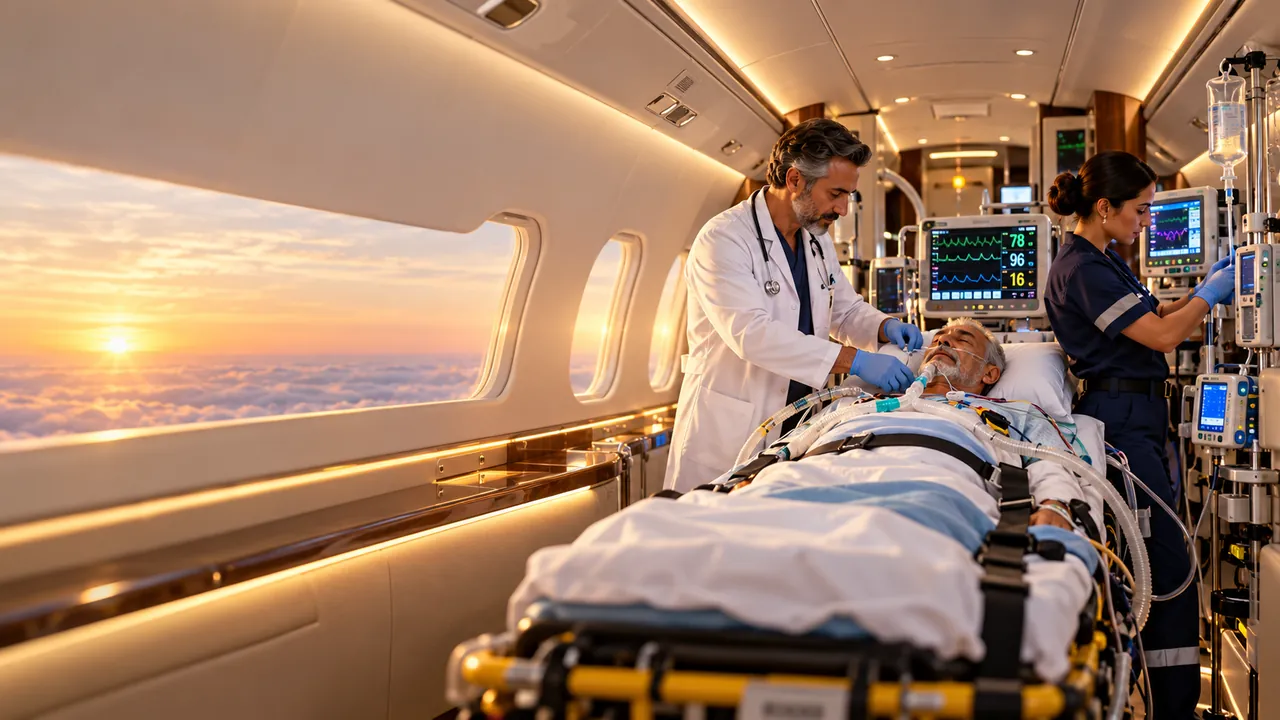
- in some cases, a dedicated air ambulance
See air ambulance or a commercial flight with a medical escort and our airline medical escort service.
What to take home
- The full discharge summary, in English and translated if your doctor needs it
- All reports and imaging from the stay
- A list of medicines with doses, and enough supply to last until you can see your own doctor
- Written instructions on wound care, activity, diet and warning signs
- Contact details for the treating team in India
Before you leave India
- Settle the final bill and keep the itemised copy
- Confirm any exit requirements on your visa
- Book the first follow-up appointment at home
At home
Arrange for someone to meet the patient at the destination airport and for a first appointment with the local doctor. Read continuing care with your doctor at home.
We coordinate the return as part of international patient services.